Tour to Abu Simbel Temple From Aswan
2 stopsPick-up from your stayLunch includedEvery day
From / person$100
View tour 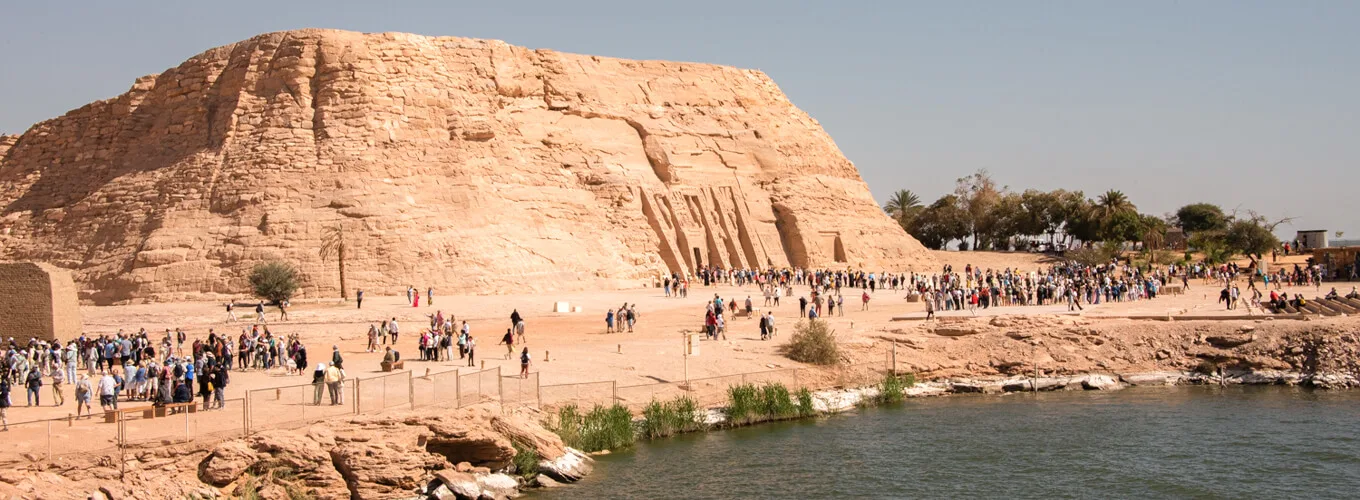
Two temples cut into a cliff by Ramses II, moved block by block in the 1960s to escape the rising Nile.
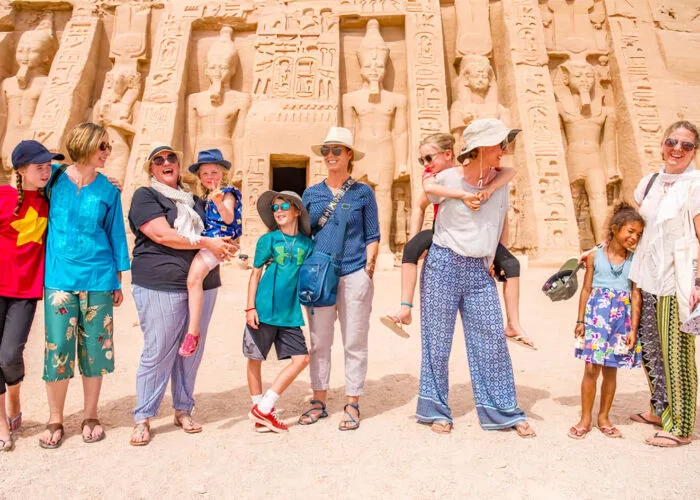
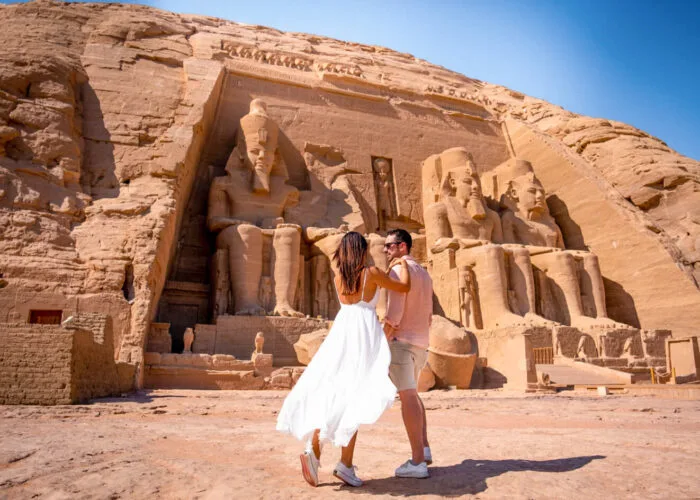
Abu Simbel sits 280 kilometres south of Aswan, close to the Sudanese border. Ramses II had two temples cut directly into the sandstone cliff in the thirteenth century BC: the Great Temple, fronted by four seated colossi of himself over twenty metres high, and a smaller one beside it for his queen Nefertari.
In the 1960s the reservoir behind the new Aswan High Dam was going to drown both. Between 1964 and 1968 a UNESCO project cut the temples into more than a thousand numbered blocks and rebuilt them 65 metres higher, inside an artificial hill shaped to replicate the original cliff. The reconstruction is accurate enough that the alignment still works: twice a year, in February and October, sunrise reaches down the main axis and lights the statues in the inner sanctuary.
Visits start early. The road convoy from Aswan leaves around 4am and arrives not long after sunrise, which is both the coolest and the emptiest part of the day. The flight takes 45 minutes each way and leaves far more of the day intact.
Abu Simbel is the furthest south most travellers go in Egypt and the most demanding day in a normal itinerary — but it is also the one people describe first when they get home. The two rock-cut temples of Ramses II are the best surviving example of Egyptian monumental propaganda, and the story of how they were moved is nearly as striking as the temples themselves.
The site is reached from Aswan, by road in about three and a half hours each way or by a 45-minute flight. Road convoys leave before dawn; flights leave early and return by midday. Either way you spend roughly two hours at the site, which is enough for both temples at a reasonable pace.
The sun alignment on 22 February and 22 October draws large crowds and fills accommodation in Aswan well in advance. On every other day of the year the temples are considerably quieter, and arriving with the first convoy still means beating most of it.
 Tailor-made trips
Tell our consultants where you want to go, how long you have and how you like to travel — and get a personalized Egypt itinerary within 24 hours.