
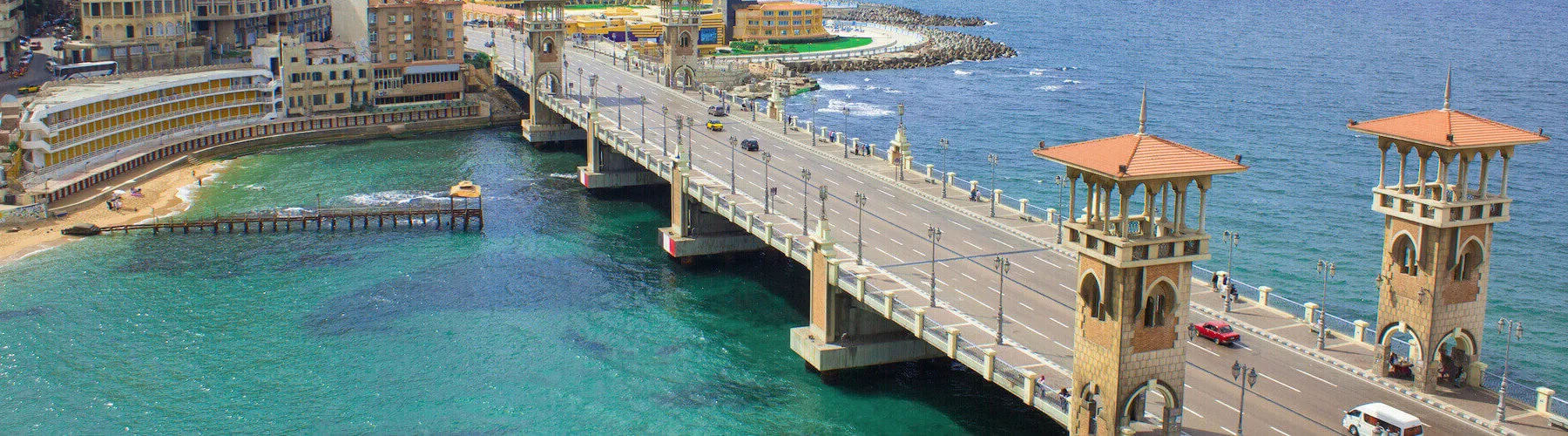
Destination: Alexandria
Egypt on the Mediterranean — a Greco-Roman city with catacombs, a fort built on the site of the lighthouse, and a modern library named for the lost one.
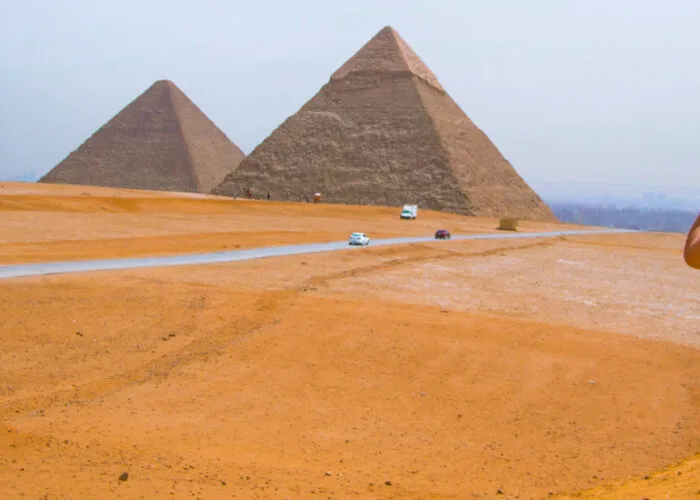
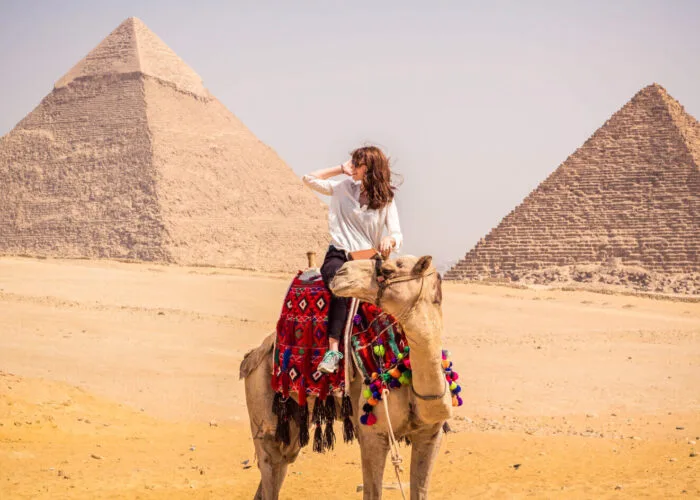
9 Days Cairo, Alexandria & Nile Cruise by Flight
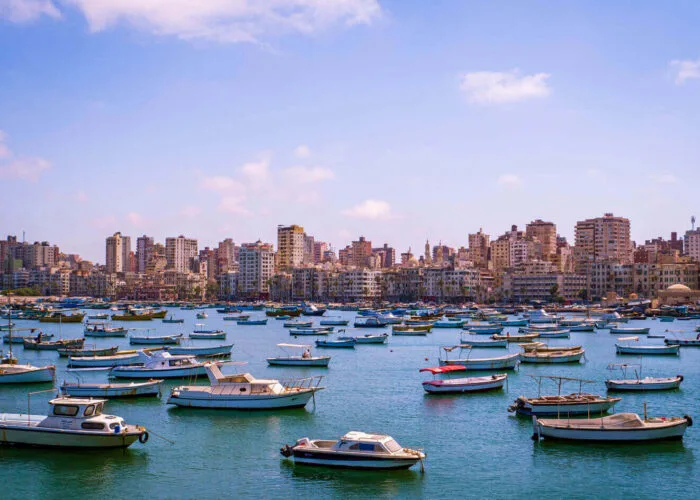
Downtown Walk in Alexandria
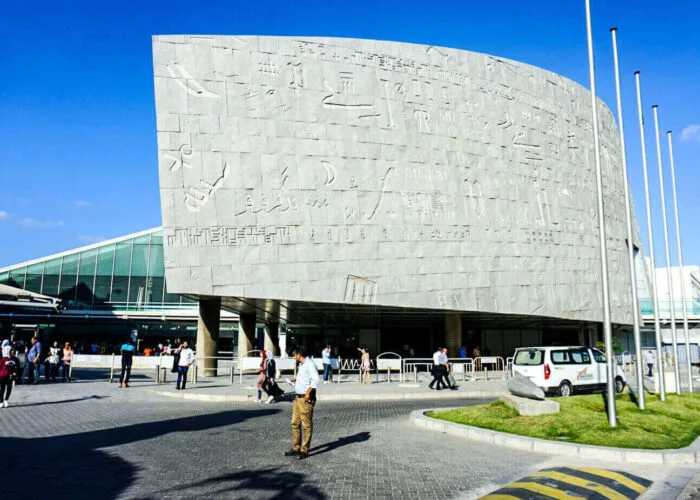
Overday Alexandria Tour
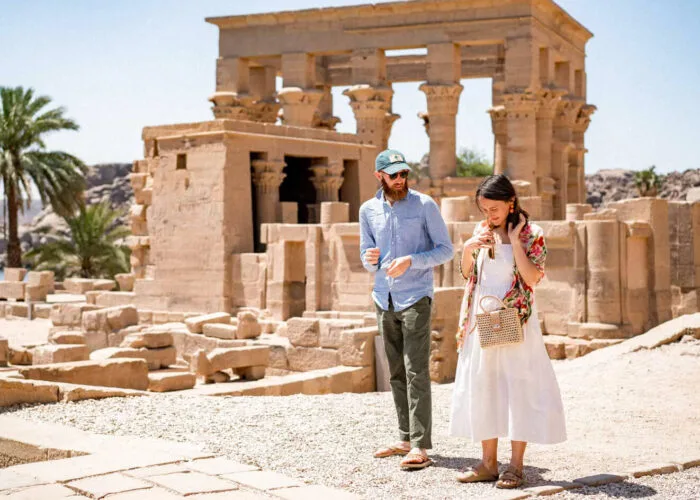
8 Days Cairo, Alexandria & Nile Cruise by Flight
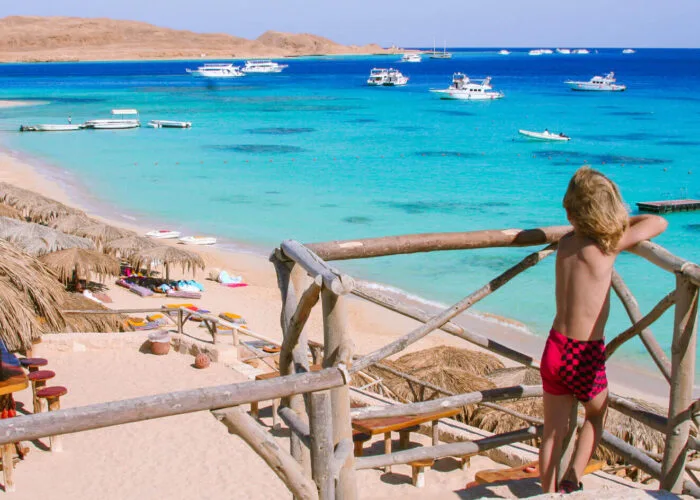
14 Days Cairo, Alexandria, Nile Cruise & Hurghada Tour
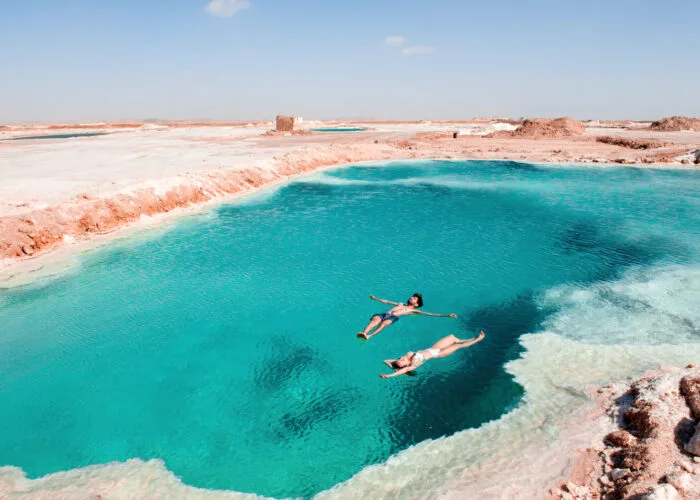
10 Days Cairo, Alexandria, Nile Cruise & Siwa by Flight
Alexandria Day Tour from Cairo
What you will find in Alexandria
Alexandria was founded by Alexander the Great in 331 BC and spent the next thousand years as the intellectual centre of the Mediterranean. What survives is layered rather than monumental: the Catacombs of Kom el-Shoqafa, cut three levels into the rock and mixing Egyptian, Greek and Roman funerary art; Pompey's Pillar on the site of the Serapeum; and the Roman theatre at Kom el-Dikka.
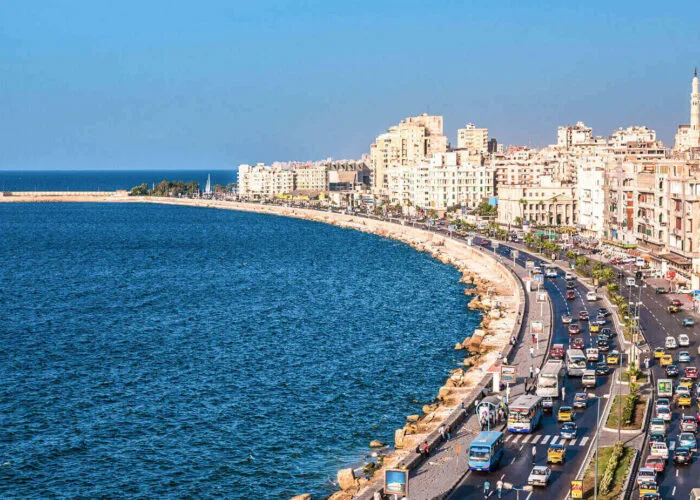
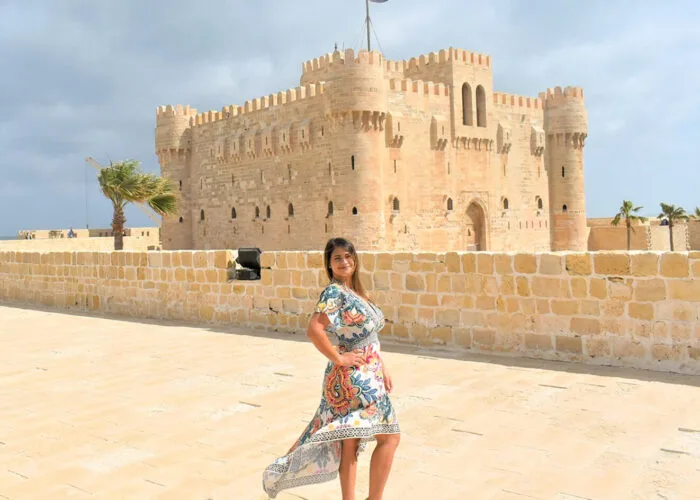
On the waterfront, the Citadel of Qaitbay stands on the foundations of the Pharos lighthouse, one of the seven wonders, which came down in a series of earthquakes — blocks from it are visible in the citadel walls. The Bibliotheca Alexandrina, opened in 2002, is a deliberate echo of the ancient library. The Corniche runs the length of the bay between them.
Alexandria is about three hours from Cairo by road and is usually done as a long day trip, leaving early and returning in the evening. Travellers who stay overnight get the city at its best — the seafront after dark, and the fish restaurants that are the other reason people come.
Alexandria, explained
Alexandria is Egypt's second city and its main port, built along a Mediterranean bay rather than the Nile. Its ancient monuments were largely lost to earthquakes and rebuilding, so what remains is concentrated in a handful of sites close together: the catacombs, Pompey's Pillar, the Roman theatre and the Citadel of Qaitbay.
The drive from Cairo takes about three hours each way on the desert road, which makes a day trip long but workable — most itineraries cover the catacombs, the pillar, the citadel and the library, with lunch on the seafront. Staying a night turns it into a different trip, with time for the Corniche, the Montazah gardens and the Greco-Roman neighbourhoods.
Alexandria is noticeably cooler and wetter than the rest of Egypt, and it is the one place in the country where winter brings real rain.
Your questions
 Tailor-made trips
Don't see the perfect itinerary? We'll build it with you.
Tell our consultants where you want to go, how long you have and how you like to travel — and get a personalized Egypt itinerary within 24 hours.