
Guides
Cairo's Souks and Local Markets: A Shopper's Paradise
Ever wondered where you can find brass lamps, papyrus prints, and perfume oils all in one day while…
2026 · 6 min read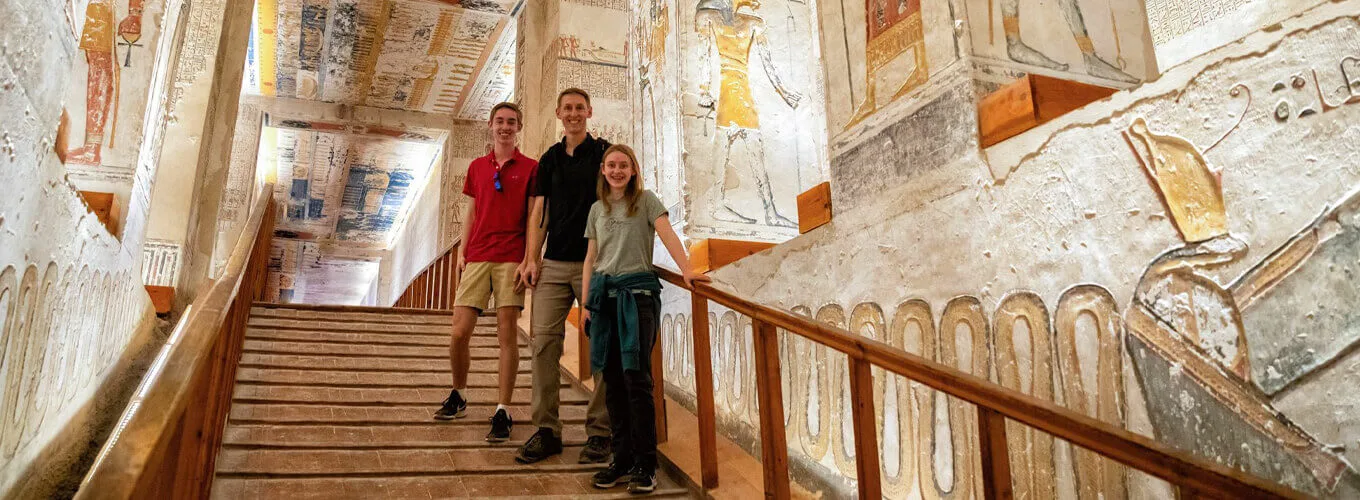
A standard Valley of the Kings ticket lets you choose three of the open tombs. Tutankhamun (KV62), Seti I (KV17) and Ramesses V/VI (KV9) each cost extra, and the tram to the tomb area is also separate. The valley sits on Luxor's West Bank and holds more than 60 numbered tombs.
Could a short walk along a dry hillside change how you picture ancient rulers and their afterlives? You arrive on the West Bank near Luxor and step into a compact area that held New Kingdom royal burials from the 18th through the 20th dynasties. More than 60 tombs are labeled KV1 upward, and this UNESCO site has kept its treasures and stories for centuries. Standard entry lets you choose three open tombs, while famous extras like Seti I (KV17), Ramesses V/VI (KV9), and Tutankhamun (KV62) need separate fees.
Practical details matter: ticket costs, tram fare, seasonal hours, and peak times help you plan a smooth visit and pace your steps inside decorated corridors. This short introduction helps you frame your experience and pick the right tombs, timing, and budget before you enter.
Key Takeaways
Start here if you want a smooth, stress-free visit and a clear plan for your tomb choices. Scan the full section list first, then jump to tickets/prices if you are budgeting or to Top Tombs when picking highlights.
Buy every ticket at the Visitor Center before you board the tram. No ticket sales exist inside the valley, so handle entry and any extras up front. Card-only purchases are common now, but carry small cash for restrooms and snacks.
Peak hours run from 10 am to 2 pm. For a calmer experience, go early or late and use our crowd strategy to make your three tomb selections count.
Check the board labeled "What’s open" on arrival—open tombs rotate. If lines swell at a popular site, pivot to a nearby included tomb and circle back later.
Use the comfort checklist (water, hat, sunscreen, sturdy footwear) and skim the photography rules before you take out your camera. Mini-itineraries at the end offer ready-made sequences that fit your available time and help your planning trip stay simple.
When sunlight slips behind al-Qurn, the landscape shows why Egyptians linked that bank with the afterlife. That natural summit looks like a pyramid and echoes older forms, helping explain the choice of this site for royal interment near the west bank nile.
Ancient belief tied sunset to rebirth. Placing tombs where the sun set made spiritual sense: palaces stood on the east; necropolis lay across the river for the dead. This contrast helps you read the landscape as a living ritual map.
The kings valley system uses KV plus a discovery number, from KV1 to KV65 and growing. Tombs date roughly 1539–1075 BC in the new kingdom and hold richly painted corridors and burial chambers.
Note: Many tombs were looted long ago, but texts like the Book of the Dead and vivid ceilings remain. UNESCO listed the site in 1979, and rotating access now helps protect fragile artwork as you explore corridors and tombs.
Check the daily board at the Visitor Center first; what’s open changes often. Openings rotate for conservation, so the posted list tells you which tombs open that day. That list affects your route and timing more than any schedule you make at home.
Your standard ticket lets you pick three tombs from a shifting roster. Typical included options (Jan–Dec 2024) are KV1, KV2, KV6, KV8, KV11, KV14, KV15, KV16, KV43, and KV47.
Smart pick: mix a crowd-pleaser and a quieter site. Strong included choices often include KV2, KV6, KV11, and KV14 for bold art and easier access.
If you want more than three, you may buy another standard ticket and add more included tombs later in the day.
Three marquee extras require separate fees: KV9 (Ramesses V/VI) 220 EGP, KV17 (Seti I) 2000 EGP, and KV62 (Tutankhamun) 700 EGP. KV17 is lavish and vast; KV9 shines with its astronomical ceiling; king tut’s tomb is small but memorable.
Plan time and EGP for extras, and if a chosen site is closed, ask attendants for that day's best alternative with standout artwork.
Understanding costs at the Visitor Center makes your day easier. Buy everything you need there before you board the tram; no ticket sales happen inside the site.
Your entry ticket is 750 EGP for adults and 375 EGP for students. It grants site entrance and choice of three included tombs. If you want more than three, buy another standard ticket at the windows.
Extra tickets are sold separately: Seti I (KV17) 2000 EGP; Ramesses V/VI (KV9) 220 EGP (110 student); Tutankhamun (KV62) 700 EGP (350 student); Tomb of Ay 200 EGP (100 student). Keep student ID handy for discounts where noted.
The tram costs about 20 EGP round trip and saves time in heat. Cards are accepted for most tickets, but carry a small amount of Egyptian pounds for snacks and restroom attendants. Hold onto receipts and tickets; attendants will check them at each entrance.
Deciding on a pass comes down to how many monuments and tombs you will visit over several days. Both passes are valid for five days and cover major sites across the east bank and west bank, but they differ in price and inclusions.
Standard Pass costs about $130 adult / $70 student and covers nearly all sites for five days but excludes Seti I and Nefertari. Choose this if you plan a lean visit or will skip premium tombs.
Premium Pass runs around $250 adult / $130 student and adds Seti I and Nefertari. If those tombs are on your must-see list, the Premium often pays for itself.
If you spend two or more full days on archaeology and visit both banks, do the math: compare individual tickets and extra EGP fees for premium entry. Students with valid IDs save a lot; keep the physical card handy.
For a half-day valley visit alone, skip the pass. For a multi-day trip with several sites and premium tombs, the pass simplifies purchases and can cut overall costs.
Plan this leg so you arrive calm, with tickets bought and energy left for exploring. Travel options vary by budget and speed, and a little timing foresight saves minutes and stress.
By road, expect roughly 40–45 minutes from Luxor city via the Luxor Bridge to the archaeological zone on the west bank. That estimate depends on traffic and peak-hour delays.
If you prefer door-to-door ease, hire a taxi for a round trip and agree on price and waiting time before you set off. Confirm your pickup point after you leave the Visitor Center complex and gift shop area.
A popular alternative is the short public ferry across the Nile. Ferries run every 10–15 minutes and cost only a few EGP. Many people cross the river, then negotiate a taxi on the west bank to avoid city traffic and higher fares.
Build in extra minutes for buying tickets at the Visitor Center and for the tram ride from the car park to the tombs. Keep small bills handy for the ferry, tips, and any vendors, and bring water—the valley heat shows up fast once you start walking between tombs.
Pick your arrival time around cooler light and thinner crowds for a calmer visit. Official hours change by season: winter opens at 6 am and closes at 4 pm, while summer extends closing to 5 pm.
The busiest window is roughly 10 am–2 pm. Groups and peak arrivals concentrate then, so structure your route to avoid that surge.
Getting there by 8 am gives you cooler air, shorter lines at the entrance, and time to study artworks in peace. If you come late, aim for the final one to two hours before closing for similar calm and better photos.
Tactical tips: hit popular included tombs first, then return for extras once crowds thin. Cluster nearby tombs so you don’t crisscross in midday heat. Allow extra time at Seti I and KV9 — you’ll want to linger over ceilings and reliefs.
Keep water handy and set reminders to sip. If a queue looks long, pivot to another included tomb and circle back later; flexibility makes for a far better valley kings experience.
A quick stop at the Visitor Center will save you time, heat, and last-minute ticket hassles. Use this area as your planning hub before you ride the tram down to the archaeological zone.
Head straight for the ticket windows and buy your entry, any extra tombs passes, and the tram (taf-taf) ticket in one visit. Cards are accepted; most windows do not take cash. Have small EGP on hand for snacks or restroom attendants.
Study the posted “tombs open today” board and snap a quick photo of it and the 3D map. Use that map to plan a loop that reduces backtracking in the heat.
Restrooms at the Visitor Center are cleaner than those near the tombs, so stop before you tram up. Once you ride the tram, there are no ticket sales inside; adding anything later means another tram ride back.
Keep all tickets organized and ready—attendants will punch them at each entrance. Note the small covered seating near the main entrance gate as a handy rendezvous point. If you plan many photos, check the current photography rules on the entrance signage before you go in.
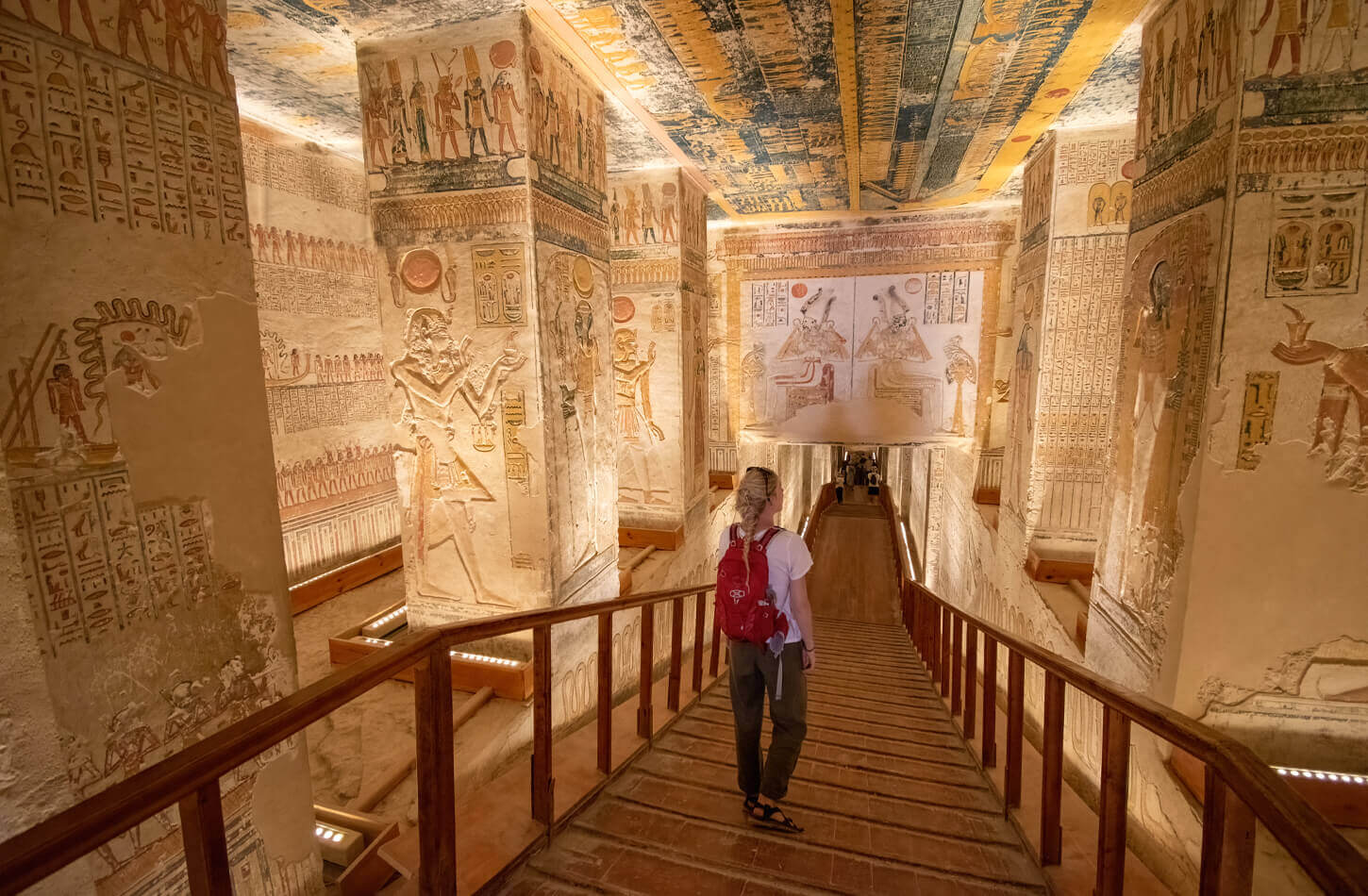
Entering a tomb means trading bright sunlight for sloped passages, shadowed reliefs, and a noticeably different air. Expect a series of ramps, staircases, pillared rooms, and a final burial chamber. Move slowly so you can take in the painted walls without crowding others.
As you go deeper, the temperature often rises and the air feels still. Step outside between visits to cool off and hydrate. Look up: many chambers feature astronomical ceiling programs that are a highlight of the experience.
Watch your footing. Ramps and stairs can be uneven or steep and handrails are not always present. If a space feels stuffy, limit your time and come back later when it’s less crowded.
Attendants patrol for decorum and photography rules. Follow posted signs and never use flash: flash damages delicate artwork. Keep voices low to preserve the quiet and the sacred mood.
Do not touch walls or lean on painted surfaces—oils and pressure harm pigments. If someone offers to take your picture or guide you into a side chamber, tips may be expected. Politely decline with “la shukran” if you wish.
Quick practical tips: share viewing space, move aside for others at key panels, and keep tickets ready for checks. These small acts make each visit more respectful and pleasant for everyone.
Phones and silent cameras have made capturing interiors easier—but rules still govern every frame. Before you raise a lens, check the posted signs at the main entrance and follow staff instructions.
No flash is non-negotiable. Flash light damages pigments and attendants will stop it immediately. Plan on phone photos being acceptable, but verify on arrival.
DSLRs and mirrorless bodies may be allowed without an extra pass according to recent visitor reports. Still, tripods and lighting gear are typically banned. Keep your kit compact and quiet.
Step back when someone else views a panel. Don’t touch walls for stability—use a higher ISO or brace with your elbows. Put your camera on silent mode and photograph outside map boards rather than blocking shade while you take notes.
If an attendant intervenes, comply quickly. Following these rules protects fragile art and makes your visit safer, kinder, and more rewarding for every visitor’s experience.
Start with tombs that reward a short visit with vivid colors, readable texts, or dramatic layouts. With your entry settled, pick three tombs that match what you most want to see: color, inscriptions, or architecture.
Mix one color-rich, one text-rich, and one layout-interesting tomb for balance. If queues are long, choose a quieter strong pick instead of waiting. Save a standout for last so your final view sticks with you.
Quick tip: if ceilings matter, add a little extra time inside. This simple plan helps you see varied artwork without crisscrossing the valley kings site.
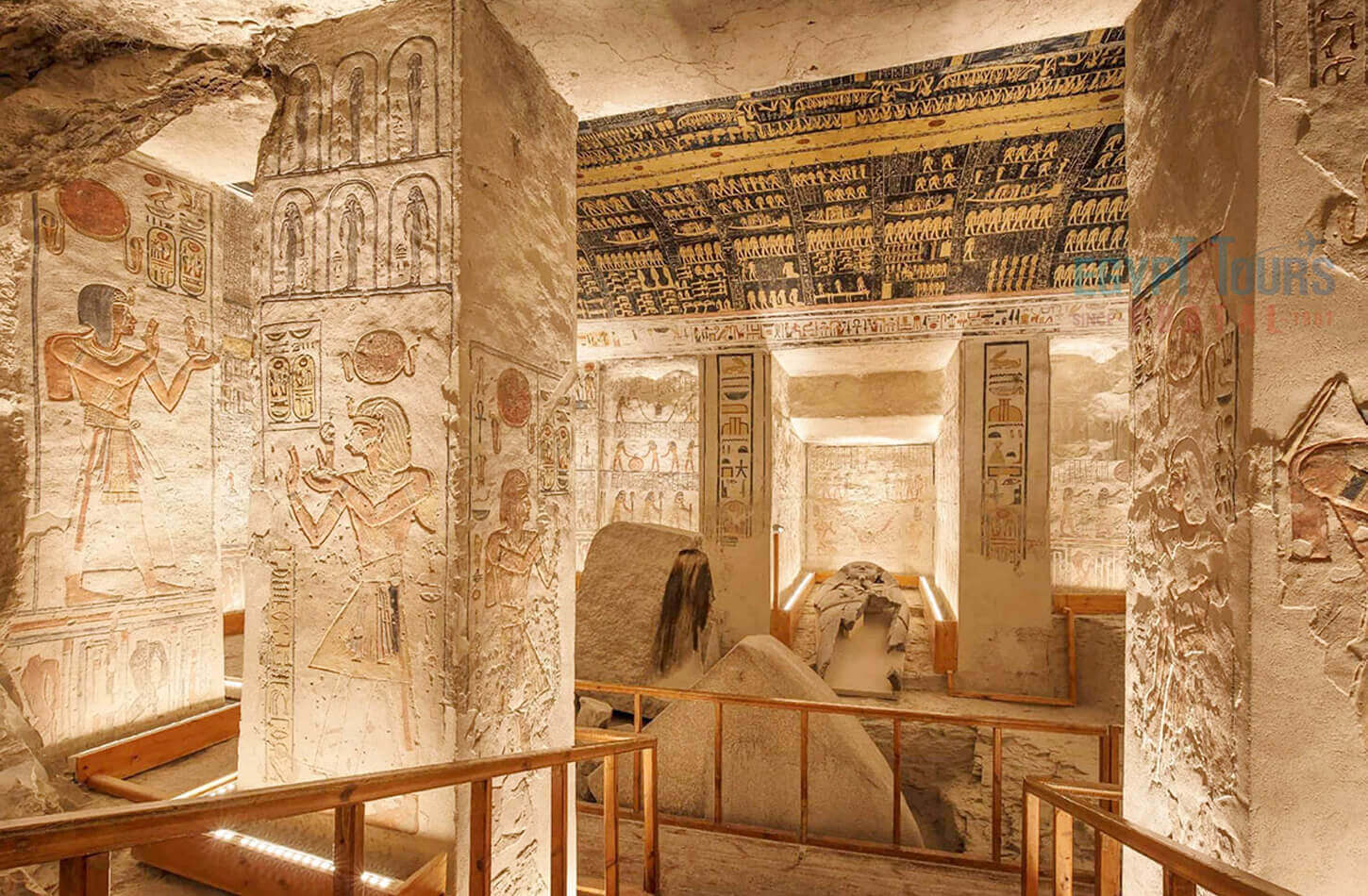
A single extra ticket can turn a good visit into an unforgettable archaeological encounter. Decide by what you value: scale and craftsmanship, a showpiece ceiling, or historic resonance. Below are quick, practical points that help you choose.
Seti I costs 2000 EGP. Splurge if you prize monumental reliefs and grand chamber design. This tomb ranks among the finest for craftsmanship and scope. If budget allows, it is a "best of the best" addition.
KV9 costs 220 EGP and delivers an astronomical ceiling and vivid pigments. Top value: it gives world-class ceiling art at a modest price. Visit during off-peak windows so you can linger and photograph carefully—no flash.
King Tut costs 700 EGP. The tomb is small but historically charged and may include the mummy. Crowds move steadily because space is tight. Pair this extra with a color-rich included tomb for balance.
Practical tips: buy any extras with your main ticket at the Visitor Center before the tram. If you can add only one, choose KV9 for value; add Seti I if you seek unmatched scale and detail.
If you crave quieter corridors and a different landscape, the West Valley adds a useful contrast to your day. The Tomb of Ay sits apart from the main cluster and feels like a calm complement to busier stops on the west bank.
The Tomb of Ay requires its own 200 EGP ticket, bought at the Visitor Center before you board the tram. Plan for a longer, hillier walk from the main entrance; good footwear and cooler hours make this leg much easier.
Because services are limited past the main complex, stock up on water and snacks beforehand. Budget extra time for the round trip and for pausing at painted scenes without rushing.
Ay sees far fewer visitors, so you can enjoy more contemplative viewing. Lighter foot traffic means quieter corridors and a better chance to study details without jostling.
If you’re packing a deluxe day with multiple extras, add Ay only if you have the energy and extra time. For families with small children, consider colder parts of the day or skip Ay for a shorter route.
Planning your spend in EGP and dollars saves time at the Visitor Center and eases decisions. Below are clear totals and quick ways to keep your day simple and affordable.
Included three tombs: entry plus tram runs about 770 EGP per person (750 EGP entry + 20 EGP tram), roughly $15 (Dec 2024 exchange).
All three marquee extras: add KV9 (220), KV17 (2000), and KV62 (700). With tram and entry, that totals about 3690 EGP, roughly $73 (Dec 2024).
Tickets at the Visitor Center are often card-only; have your physical card ready to avoid delays. Still carry a small amount of Egyptian pounds for water, snacks, and restroom attendants.
Budget extra time for lines at popular tombs and for lingering in premium extras. A few simple tips: prioritize KV9 for value, split extras among companions, and keep receipts for easy conversion later.
Strong light between tombs and warmer air inside them make dressing smart a key part of your day. Pack for sun and for sudden temperature shifts so you can move through corridors and open paths without stress.
Wear breathable, light-colored clothing with a brimmed hat and sunglasses to handle strong sun. Choose supportive walking shoes or sturdy sandals; many paths and steps are uneven.
Bring more water than you think you’ll need and sip often. Pack SPF 50+ sunscreen, lip balm, and a lightweight layer for cooler shaded areas or brisk indoor air. Keep a small daypack for tickets, a power bank, and snacks so you travel light and steady up stairs.
Plan restroom breaks near the tram area; facilities are closer to the entrance. A cooling towel or neck gaiter helps on hot stretches, and a simple mask eases dusty corridors.
One quick tip: set a gentle pace and alternate deeper, warmer tombs with shorter, breezier ones. Use this guide to balance your route on the west bank and protect your energy for better viewing and a calmer experience.
A smart schedule helps you enjoy art, avoid lines, and get better photos. Below are quick, usable plans that match common arrival times and energy levels so your day feels relaxed and productive.
Pick three close-together included tombs such as KV2, KV6, and KV11. Ride the tram up and keep each stop to about 10–15 minutes.
Stick to a tight loop and ride back when you finish. This works well if you only have a short window.
Choose three tombs and add a short café break between stops. Check posted queues and adjust order so you avoid long waits.
Add one extra (KV9 is a top pick) and give yourself time for longer corridors and richer artwork. Total time often reaches about three hours depending on lines.
Practical tips: arrive early and do the longest corridor first, or if you come late, hit an extra before closing. Keep a plan B tomb if lines swell, budget a few extra minutes for photos, and set soft alarms so you don’t miss your window for an important entry.
With a little planning, you can turn a short visit into a memorable encounter with ancient burial art. Access at the valley kings rotates, and your standard ticket covers three included tombs while extras like Seti I, KV9, and Tutankhamun cost more. Hours change by season and many windows now accept cards only, so buy tickets at the Visitor Center before you tram down. Go early or late to beat heat and crowds. Pick two or three strong included stops and add one extra if your budget and stamina allow. Keep water, sunscreen, and sturdy shoes handy. Respect rules—no touching, no flash—so these sites last for future years. With flexibility and small practical choices, your trip will reward you with art, architecture, and a deeper sense of New Kingdom burial practice.
Ever wondered where you can find brass lamps, papyrus prints, and perfume oils all in one day while…
2026 · 6 min read
National Park Ras Mohamed is a nature conservation area situated at the southernmost point of the Sinai Peninsula…
2026 · 6 min read
Can a single coastal city still surprise you with secret corners and stories you haven't heard? You’ll find…
2026 · 6 min read