
Guides
Cairo's Souks and Local Markets: A Shopper's Paradise
Ever wondered where you can find brass lamps, papyrus prints, and perfume oils all in one day while…
2026 · 6 min read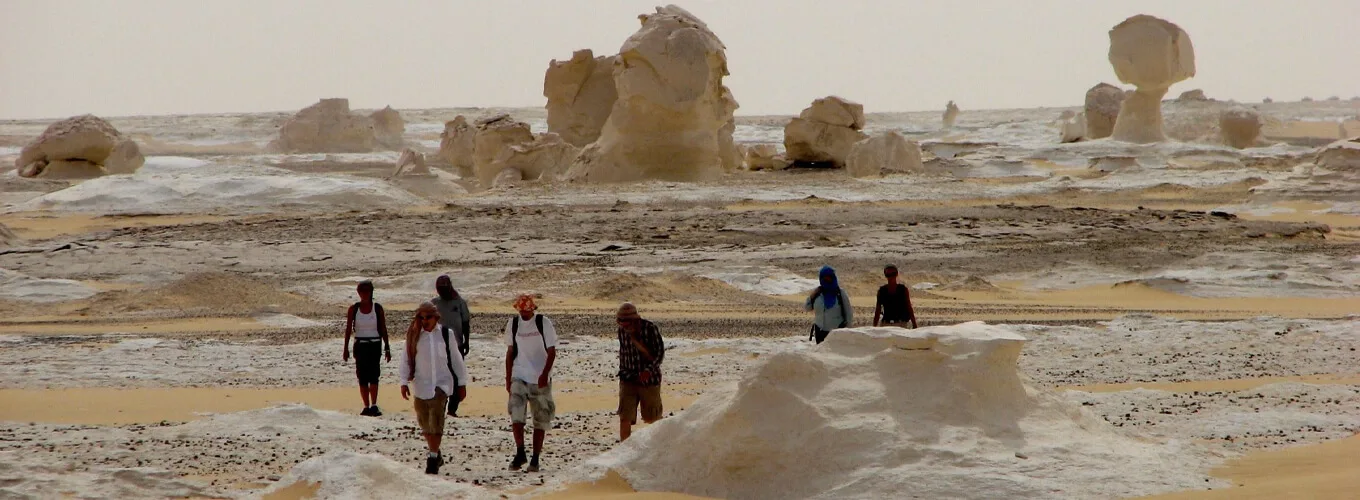
Egypt's quieter sites repay the detour: Medinet Habu in Luxor, the Tombs of the Nobles and free dune viewpoints in Aswan, Gebel el-Silsila's sandstone quarries, Fayoum's Magic Lake and Wadi Al-Hitan, and the chalk formations of the White Desert. Most take a short drive from somewhere you are already going.
Have you ever wondered where you can find quiet temples, sweeping desert views, and coastal calm all in one trip? This guide points you toward lesser-known spots across the country so you can craft a trip that feels truly your own. Expect practical notes like Medinet Habu’s modest 200 EGP entrance, a five-minute walk from the ticket office, and free dune viewpoints around Aswan with wide Nile panoramas.
Stroll Cairo’s Old Town near Khan el-Khalili at dusk, hop a boat to Magawish Island on Giftun (example boat access ~700 EGP; on-island food tends to cost more), or head beyond the Nile to Wadi Al-Hitan, the Black Desert, and the White Desert’s chalk hoodoos.
What you’ll get: a balanced list of cultural and natural destinations that still fly under the radar of the wider world, clear access notes for each site, and tips on timing so you hit the best light and cooler hours to enjoy people and place.
Key Takeaways
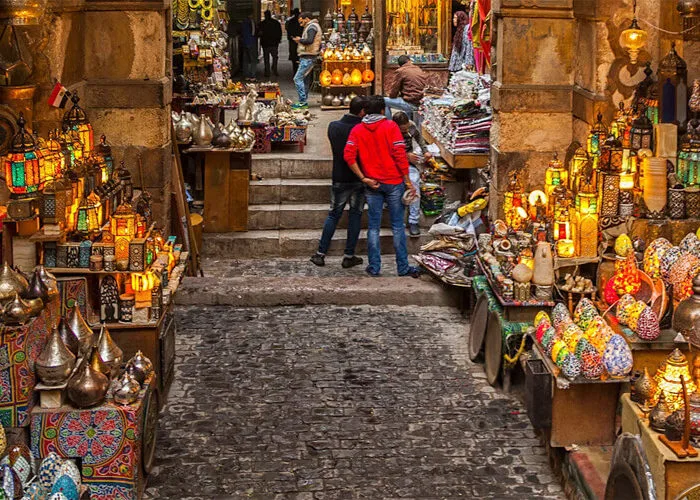
Wander Cairo’s Old Town at dusk and you’ll find lantern-lit alleys and quiet courtyards that feel almost timeless.
The area near Khan el-Khalili shifts gently after sunset. Lantern-lit cafés, historic mosques, and minarets create great golden-hour views without the heavy tourist crowd.
You’ll meet locals and see artisans at work. The town’s mix of architectural style, street snacks, and small shops makes a casual walk feel like a cultural site discovery.
Abdeen Palace opens select museum rooms where gilded halls and chandeliers show royal taste and political history. Exhibits include royal porcelain, silverware, and diplomatic gifts—oddities like a samurai crown and European jewelry stand out.
Pair an hour at Abdeen with an evening stroll next door. Dress modestly, carry small bills, and enjoy how these two stops offer contrasting style and an intimate sense of place for your visit.

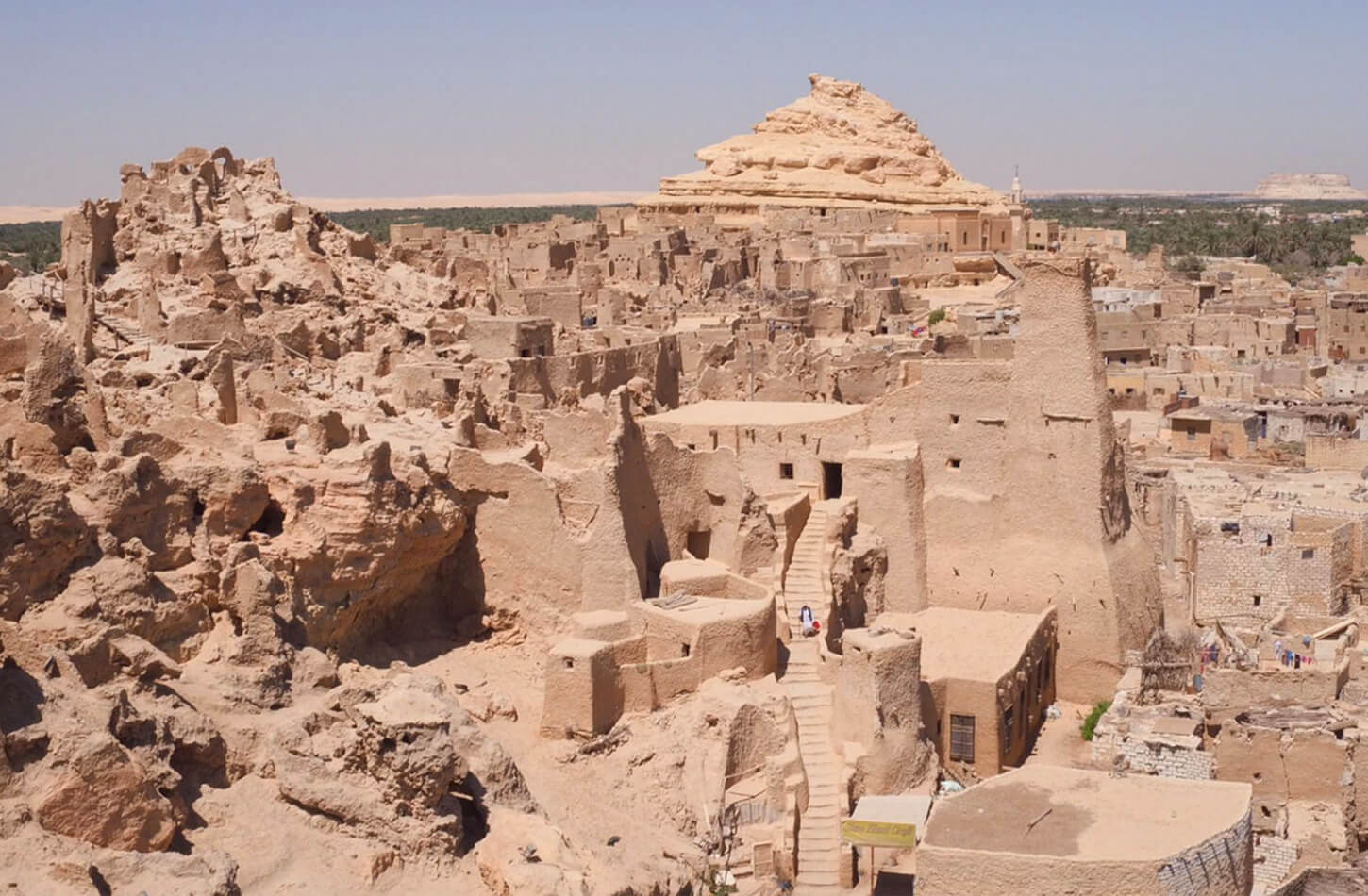
Siwa greets you with electric-blue waters and centuries-old walls that feel untouched by time. This compact oasis blends glowing salt pans, a tactile mud-brick stronghold, and quiet palms that invite slow exploration. It’s one of Egypt’s most rewarding hidden gems for travelers who like calm and contrast.
The lakes glow with vivid color and crystallized rims where you can float easily. Bring swim gear and sun protection so you can linger by the water and photograph the geode-like edges.
Climb the Shali Fortress to see date palms and the compact village spread below. The kershef (salt, mud, sand) walls show local building craft and make for stunning late-afternoon light.
Plan cooler months, and aim for early mornings or late afternoons to dodge the heat. Allow time for Gebel al-Mawta to study hillside tombs and for short visits to temple ruins tied to the Oracle of Amun.
Expect slow travel: long drives, rough tracks, and a relaxed tempo that rewards patience. Pack water, a hat, and a camera—Siwa’s textures change with each hour of light.
Just an hour from the capital, Fayoum unfolds surprising landscapes that shift from salt flats to fossil-strewn ridges. Base yourself here to cover dunes, reflective water, and paleontological sites with minimal time on the road. This oasis offers a compact route for memorable day trips and quiet moments.
Wadi Al-Hitan is a UNESCO World Heritage site with the world’s largest concentration of 40‑million‑year‑old whale fossils. Trails are well marked and open‑air displays let you see skeletons exposed where they were found. Spend half a day walking interpretive paths to grasp how sea life once shaped the region.
Magic Lake mirrors the sky at dawn and makes the Milky Way pop after dark. Bring a tripod for astrophotography and binoculars for Lake Qarun’s wintering flamingos and other migratory birds. Plan early or late visits to catch soft light that sculpts dunes and fossil ridges, and pack water, layers, and sun protection.
Pair these natural sites with a short museum stop to see Fayum Portraits and deepen your cultural view. You’ll leave with a clear sense of an egypt hidden landscape that rewards small investment of time.
A short detour from the Valley of the Kings brings you to a temple that often feels almost private. Medinet Habu’s towering pylons and crisp reliefs are easier to admire without jostling tourist lines. It’s a calm, photo-friendly site that rewards slow looking.
Make time to linger over the carvings and painted scenes. Tickets were 200 EGP as of January 2024 and you can buy them at a ticket office about five minutes from the temple. That office accepts cash and cards, which keeps logistics simple.
The scale of the columns and the clarity of the reliefs make this a satisfying stop if you prefer quieter temples to crowded headline spots.
After the temple, wander toward the market by Luxor Temple and the tourist bazaar. You’ll find fresh produce, spices, breads, and household goods at lower prices and with less hassle.
Visit early or late for cooler light and friendlier stalls. Bring small cash, sip water, and enjoy a real slice of town life that pairs perfectly with tombs and temple visits.
Step away from the town and you’ll find gentle sand slopes that frame sweeping views of the Nile River and its islands. A standout viewpoint sits halfway up the dunes beyond a Nubian village. Access is free, the climb is easy, and golden hour here delivers memorable photos.
Hike partway up for wide-open views that capture the river’s curves and nearby islets. You’ll see flags and tracks from sandboarding; bring sandals you can kick off as the sand warms and cools.
Pack water, sun cover, and a light scarf for breezes on the ridge. Watching feluccas glide below makes a simple picnic feel cinematic.
Cross by boat to the west bank and explore the Tombs of the Nobles. These rock-cut burial chambers date to the Old and Middle Kingdoms and feature pillared rooms, painted pillars, and carved scenes.
The complex is calm compared to larger necropolises, giving you time to study color and detail without crowds. Blend both stops for a half day that pairs wide views with intimate history.
Walk a riverside workshop where tool marks and shrines sit side by side on sun-washed cliffs.
This remarkable site preserves Middle Kingdom sandstone quarries that supplied blocks for famous temples. As you walk the quarry fronts, chisel lines and extraction scars trace the steps of ancient labor.
Hug the Nile River edge to find tiny, rock-cut shrines just above the waterline. These little sacred niches honor river deities and make the place feel intimate and devotional.
Bring a flashlight or headlamp to study shaded recesses and inscriptions up close. Look for hieroglyphic labels and worker graffiti that humanize the quarry crews.
Early or late light brings out texture, turning tool-scarred walls into dramatic patterns. Expect fewer crowds and softer echoes than at larger monuments, which makes this a great stop for slow photography and study.
The Western Desert offers a string of surprising oases and lunar white plains that reward slow travel. Here you move from black-capped volcanic cones to chalk hoodoos and thermal springs, all within a few long drives.
In Bahariya you’ll cross otherworldly parts of desert where dead volcanoes form black cones. Tracks lead toward fossil-rich spots and the Valley of the Golden Mummies, where gilded funerary masks sit alongside a small museum that explains the town’s Roman-era role.
Farafra is the gateway to snowlike plains of chalk hoodoos. Wind-carved shapes make dramatic photos at sunrise and sunset, and the whole landscape feels remarkably lunar.
Dakhla pairs archaeology with wellness—soak in mineral springs after visiting Deir el-Hagar and wandering Al Qasr’s mud-brick alleys. Kharga layers Roman military architecture at El-Deir with early Christian art at El Bagawat’s painted tombs.
Schedule drives for golden hour, carry extra water and GPS maps, and end each day at a local spring or overlook to watch the flats shift color. These oases form a rewarding egypt hidden route that blends geology, century-old art, and living town life.
A short boat ride from Hurghada leads to quiet beaches and world-class coral walls. This stretch pairs low-key island lounging with dramatic drop-offs, so you can balance slow sun time and high-adrenaline dives.
Magawish is a newer beach area on Giftun that feels calmer than Mahmya or Orange Bay. Access is by boat and example day trips run around 700 EGP per person, with on‑island food often pricey.
Arrive early for calmer seas and brighter water color. Pack snacks, water, a lightweight shade or scarf, and reef-safe sunscreen to save money and stay comfortable.
Elphinstone is a classic Red Sea site with soft corals, steep walls, and chances to see white-tip and occasional hammerhead sharks. If you dive, expect dramatic drop-offs and lively pelagic action.
Even snorkelers can spot schooling fish along plateau edges when visibility is good. Log your experience, note currents and clarity, and use that data to choose calmer or bolder days next time.
Practical notes: bring a snug mask, a waterproof pouch for your phone, and reef-safe sun protection. Build your day to mix relaxed views on Magawish with a reef visit, so you leave with a full Red Sea experience that showcases quiet sandbars and big blue walls.
A short jeep approach and a 90‑minute hike can reward you with warm, turquoise pools tucked between granite walls at Wadi El‑Weshwash. The route often skirts the Colored Canyon, where narrow passageways and banded rock make each bend an adventure. Pack swim gear and a light towel; the pools feel glassy and inviting after the walk.
Wander the Blue Desert to find boulders painted an emphatic cobalt by Jean Verame. These monumental pieces sit across open sand and make striking photos at low light.
Seek the Cave of Beasts (Wadi Sura) to stand before Neolithic figures that give the landscape a human voice. Then ferry across the Suez Canal to Port Fouad and climb Salt Mountain’s winter‑white ridges. The crunchy crystals and cool breeze feel like snow and are perfect for playful shots.
Tie the loop to Siwa Oasis or recall how Shali Fortress and traditional houses cope with harsh climates for a richer cultural layer. For safety, bring water, grippy shoes, sun cover, and always follow Leave No Trace around fragile art and salt surfaces.
Wrap your plans with a route that threads quiet temples, river lookouts, and stark desert scenes into one easy loop. Use the previous sections like building blocks—pair a calm temple visit with a bustling market, or a fossil field with an evening by a reflective lake.
Keep logistics simple: cluster nearby stops, check opening hours and heat windows, and note access tips before you go. Pack light layers, plenty of water, and respectful attire so you can move from salt‑lake floats to museum halls with ease. Give yourself time; lingering helps small corners tell their best stories.
Ever wondered where you can find brass lamps, papyrus prints, and perfume oils all in one day while…
2026 · 6 min read
National Park Ras Mohamed is a nature conservation area situated at the southernmost point of the Sinai Peninsula…
2026 · 6 min read
Could a short walk along a dry hillside change how you picture ancient rulers and their afterlives? You…
2026 · 6 min read