
Guides
Cairo's Souks and Local Markets: A Shopper's Paradise
Ever wondered where you can find brass lamps, papyrus prints, and perfume oils all in one day while…
2026 · 6 min read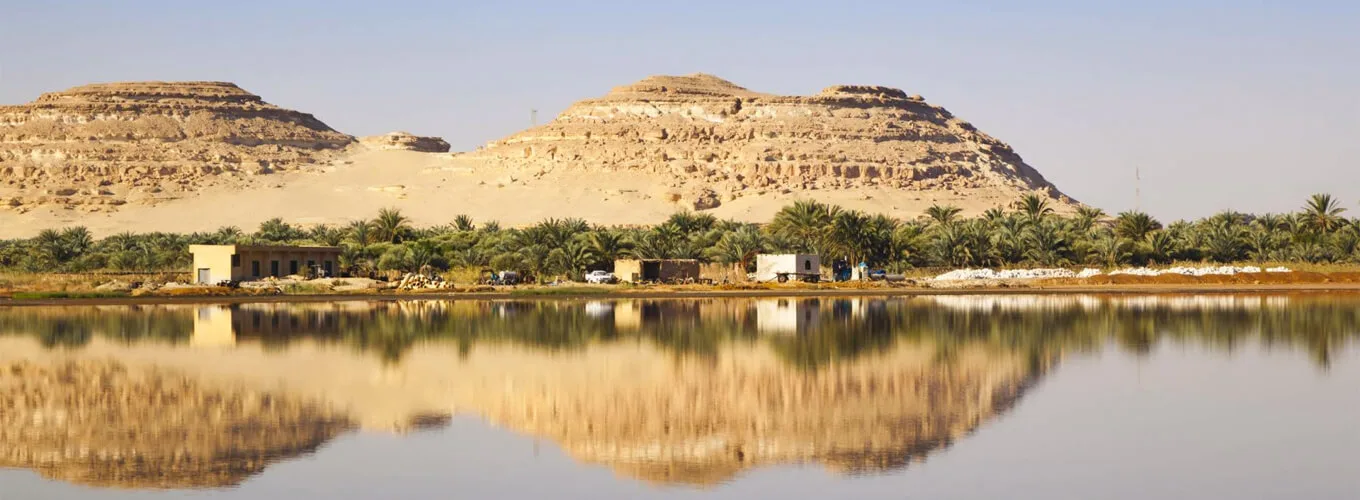
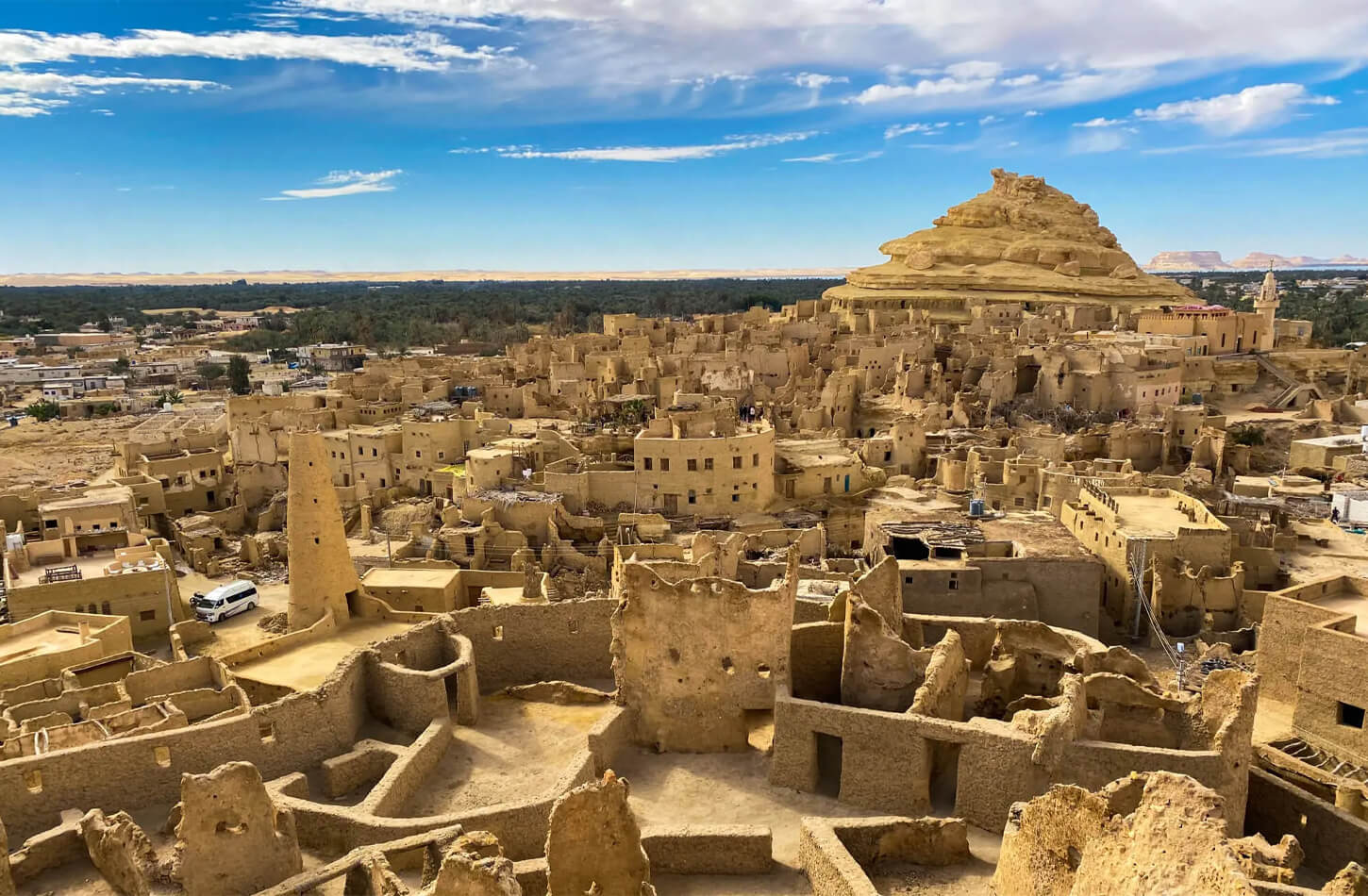
Siwa Oasis sits 750–780 km west of Cairo, an eight-to-twelve-hour drive depending on checkpoints. It is a Siwi-speaking Amazigh community of roughly 25,000–33,000 people built around salt lakes and mineral springs, with the mudbrick Shali Fortress at its centre and the Great Sand Sea dunes beginning just outside town.
Have you ever wondered how a place can feel both untouched and inviting at the same time? You’ll find that contrast here, where neon-blue salt lakes and mudbrick ruins sit beneath vast desert skies.
You’re about 750–780 km west of Cairo, a drive that once took many hours and still ranges from eight to twelve depending on checkpoints and road conditions. Expect bright days and crisp night air, plus natural springs like Cleopatra’s Spring that make the water uniquely mineral-rich.
The local Amazigh/Siwi culture shapes daily life for roughly 25,000–33,000 people. The Shali Fortress, built with karshif, and the Great Sand Sea’s dunes invite sandboarding and sunset climbs at spots such as Fatnas Island.
This friendly, practical guide helps you plan your trip without overwhelm. You’ll learn what to prioritize, ways to pace your days, and the simple steps to enjoy lake floats, desert views, and quiet nights under a huge sky.
Key Takeaways
Roughly 780 km from Cairo, this remote green enclave sits framed by palms, salt flats, and desert ridgelines. It feels isolated because a paved route only linked it to the coast in the 1980s. That long approach helps shape the place’s calm rhythm.
The central salt lake and mineral springs give the water an almost otherworldly sheen. Date palms and olive groves grow from underground springs, and the local Amazigh language and customs shape daily life.
The compact town centers on the ruined Shali Ghadi fortress, which still offers sweeping views from the top. Plan at least 3 days and 2 nights to float in the salt lake, rinse at Cleopatra’s Spring, climb for views, and visit the Temple of the Oracle.
Base yourself downtown for cafés and easy access, or pick a quieter hotel on the edge for star-filled nights. Use this short overview to set priorities for your trip and to choose the places to visit that match your pace.
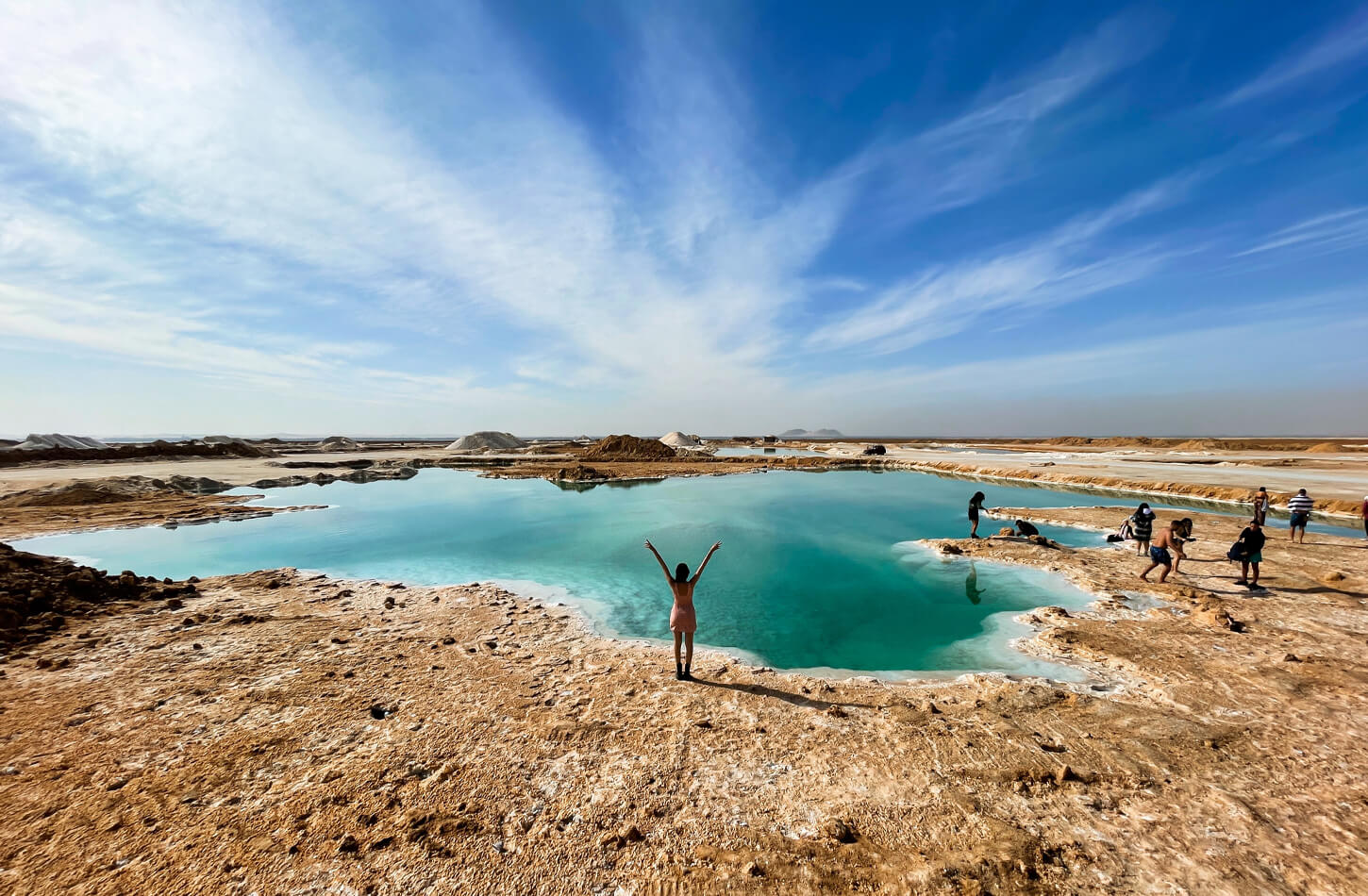
From late autumn through early spring is the most comfortable window. Expect mild daytime highs and crisp nights that make walks and stargazing pleasant. Pack layers so you can move easily from warm midday sun to chilly evenings.
Daytime temperatures usually sit between 18–25°C, so you can explore without the heat sapping your energy. Nights get chilly in midwinter, so bring a sweater or light jacket.
The central salt lake and several underground-fed springs mean bright reflections and cool dips. Plan a mid‑day stop at a spring when water feels most refreshing.
Summer temperatures often soar above 40°C and conditions turn dry and dusty. Some small businesses and seasonal operations may close during the hottest weeks.
Early mornings and late afternoons are best for climbs and walks. If your time visit falls in summer, carry plenty of water, sun protection, and a light scarf for wind and dust.
Practical tip: If you want to visit siwa, aim for Oct–Mar for easy days, cool nights, and clear skies that let you enjoy the lake, springs, and wide desert views.
The drive from Cairo stretches across coastal roads and open desert, and it usually takes a full day on the road. Plan for a long, rewarding run that includes stops, checkpoints, and the occasional rough patch. Keep your route pinned offline and time your departure so you arrive with daylight to spare.
Overnight buses let you rest while covering ground, but schedules can vary and comfort is basic. Buses also offer a straightforward way to split the trip through Alexandria or Marsa Matrouh.
Driving gives you flexibility for breaks and smoother control of pace. A private driver or passenger should expect the journey to take about eight to twelve hours depending on road works and stops. At night, slow down for large potholes and limited services.
If you prefer shorter legs, split the route via Alexandria or Marsa Matrouh. Breaking the trip makes the final stretch easier and gives you a chance to rest before you get to the siwa oasis.
Checkpoints increase as you near the Libyan border area. Expect polite passport checks and occasional bag inspections; have documents handy and keep bags organized for quick checks.
Facilities are limited—fuel, snacks, and restrooms appear sporadically—so fuel up and carry supplies. Plan buffer time for delays and use slower speeds where road conditions demand caution.
Local roads and sand tracks call for flexible plans: choose tuk‑tuks for town and 4×4 for the desert. Tuk‑tuks are the easiest in‑town option and usually cost about 20–30 EGP per ride. They’re plentiful and simple to flag or call.
Rent a bicycle if you want freedom on flat, quiet lanes. Riding between springs, cafés, and viewpoints is often the most relaxed way to see the area. Mornings are cool and perfect for pedals.
For the Great Sand Sea you must use a proper 4×4 with an experienced driver who knows safe routes and shifting sands. No ride‑hailing apps operate locally, so confirm pick-up times and meeting places before you go.
Plan your hours so you’re not scrambling after dark. Connectivity drops outside the center, so coordinate meeting points and return times. Expect routes to feel longer than they look on a map; sand tracks and narrow bridges slow the way.
Mix and match: bicycle mornings, tuk‑tuks for midday errands, and a late‑afternoon 4×4 run for soft light. If you find a reliable driver, save the contact to make the rest of your trip much smoother when you get siwa oasis.
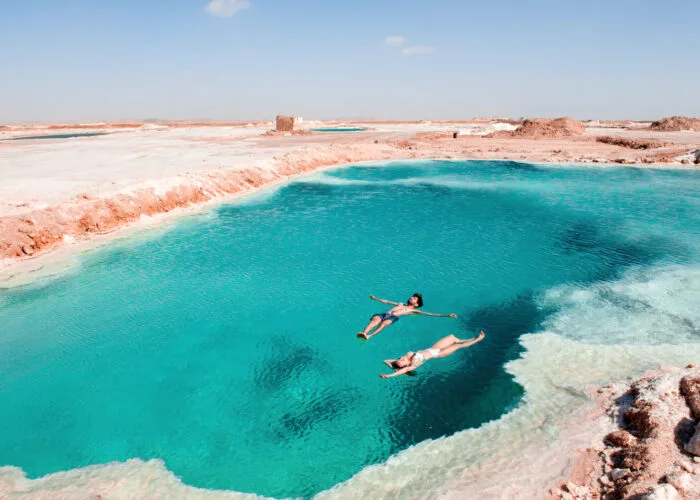
Start your day here with a float in the bright, hyper-saline lakes that let you lie back and drift without effort.
Begin with the neon-blue salt basins where extreme salinity makes floating effortless. Wear water shoes and avoid entering if you have open cuts.
After floating, stop at Cleopatra’s Spring to rinse off minerals and cool down. Expect basic freshwater showers for a small fee; keep change handy.
Climb the Shali Fortress to get sweeping views over palms, water, and mudbrick roofs. The karshif walls tell the town’s story even where rains damaged them.
Explore the Mountain of the Dead to see Ptolemaic and Roman-era tombs, including Si-Amun. Follow on-site rules about photography and bring small cash for entry.
Visit the Temple of the Oracle on Aghurmi to imagine Alexander’s consultation, then walk to Umm Ubayd to see the lone carved wall that survives.
Plan smart: balance water time with a few climbs in the late afternoon for warm light. If you must shorten your trip, these places visit first for a compact mix of culture and calm.
Huge, smooth ridgelines carve the horizon where sand meets sky, inviting a day of steep runs and slow sunsets. The great sand sea here shows dunes that rise to about 140 meters, ideal for sandboarding and wide 4×4 runs. Routes cross fossil-rich flats and salt patches that hint at an ancient seabed.
Carve down silky slopes, then trade adrenaline for a soak in a natural spring where warm water eases the wind bite. Ride with an experienced driver who reads slipfaces and keeps your line steady across ridgelines.
Plan a sunset stop with tea and snacks so you can watch the sand glow amber and violet. Expect bumpy sections—tighten your seatbelt, stow loose items, and keep cameras secure for the return trip.
Practical notes: pack a light layer, sip extra water, and start on gentler sand dunes if you’re new to boarding. Keep the outing unhurried so you get both runs and a calm sit to take in the view of the siwa oasis before heading back.
Late-day light softens the land, and Fatnas Island becomes a front-row perch for the coming night. You’ll find cafés and simple seating along the water; there’s usually no entry fee beyond buying a drink.
Head to Fatnas Island for a front-row seat to sunset over glassy water. Order a juice or tea, pick a quiet spot, and watch the colors deepen while the lake mirrors the sky.
Time your visit so you arrive early—best seats fill fast. If the air is calm, you may see a double image: the real sky and its reflection below.
For a different angle, hike the short trail to Gabal Dakrur. The roughly 20-minute climb rewards you with wide views across palms, roofs, and the salt flats.
Evenings cool quickly, so bring a light jacket. Use a red-light setting on your phone to preserve night vision and a small flashlight for the walk back.
Plan your evening: pick a weeknight for more quiet, arrive a little early for the sunset at Fatnas, and end the day with a slow ride back through town under a starry sky in the siwa oasis.
You enter a part of the world where tradition holds steady—Siwi words, karshif walls, and seasonal gatherings set the pace. The local Siwi language is common in markets and lanes, so learn a greeting and you’ll open doors to friendlier exchanges.
The town’s buildings use karshif, a salt‑impregnated mudbrick that gives roofs and alleys their carved, weathered look. Look for palm-frond details in doors and roofs; local materials are functional and decorative.
Visit the Siwa House Museum to see clothing, jewelry, and tools that link daily life to the land. The old Shali Fortress still anchors identity—its alleys and outlooks are part of the place’s memory.
Siyaha happens over three days near the October full moon on Mount Dakrur. It centers on reconciliation, shared meals, and community songs, and it offers a rare chance to witness living tradition.
Respect modest dress and ask before photographing people, especially in quieter spots. Tourists who move slowly and listen often have the most meaningful interactions here.
If you are visiting siwa, let curiosity guide how you move—observe, offer a polite greeting, and enjoy the deep rhythms that make this oasis part of a wider cultural world.
Dates and desert herbs shape the flavors you’ll meet at small cafés and hotel tables. Warm flatbreads, olive-rich stews, and date-forward sweets are common in the town and tell the story of nearby groves.
Try date juice for a refreshing, creamy pick-me-up after a spring visit. Geryaa, a pasta dish often served with lamb, is a local favorite. If you are curious, sample a small portion of camel stew—many find its caramel notes surprisingly good.
Cafés cluster near springs and the main square, where service is relaxed and prices are modest. You’ll often find salt-streaked visitors popping in after lake dips; quick rinses are common and welcomed at these spots.
Menus change with season, so ask about what’s fresh that day. Hotel kitchens commonly use local produce and will happily explain dishes if you ask. Keep small cash on hand—orders move faster and you can try more places on your trip.
Your accommodation can be a lively town hub or a quiet desert retreat under the stars. Most visitors pick a hotel downtown for quick walks to cafés, easy taxi access, and close proximity to the Shali ruins and other places to visit.
Choose the town if you want daytime ease. You’ll be near restaurants, shops, and transport options for day trips.
Eco-lodges embrace mudbrick walls, palm-frond details, and a candlelit mood. Expect limited power by design; bring a headlamp and enjoy quieter, more natural evenings with simple views.
Spend one night near Bir Wahed for a rustic camp vibe and springs nearby. Nights get cool and calm—pack a layer for late dinners and early sunrise sessions on a rooftop or terrace.
Practical tip: book ahead in peak months. A single hotel base plus one desert night makes a short trip balanced and easy to manage.
Plan for limited services and quick shifts in weather when you head into this remote desert region. Small businesses often take cash only, and connectivity drops outside the center. That makes preparation the easiest way to enjoy your days and nights without stress.
Make sure you bring enough cash—ATMs are few and sometimes empty. Withdraw before arrival to avoid headaches.
Download offline maps and key addresses. Signal fades quickly once you leave the main way, so keep directions and emergency numbers saved.
Dress modestly and comfortably: loose pants, long sleeves, and a scarf help with sun and dust. Covered shoulders and knees show respect in local areas.
Ask before photographing people, especially in quieter neighborhoods and at cultural events.
Pack sunscreen, sunglasses, a refillable bottle, a light jacket for night, and a towel for lake or spring stops. Wear water shoes for salt-rich water and avoid floating if you have open cuts.
When driving, expect long hours without services—top up fuel when you can and keep snacks handy. Keep passports accessible at checkpoints and valuables out of sight.
Make sure someone knows your plan if you head into the dunes, and stick to established tracks with an experienced driver. Hydrate often and reapply sunscreen more than you would at the coast.
Think in blocks: mornings for springs and afternoons for climbs and sunsets. That simple rhythm helps you fit top places visit into a short trip without rushing.
Arrive, settle in, and float the salt lakes early when the water is calm.
Rinse at Cleopatra’s Spring, then climb the shali fortress late for warm, wide views and town lights at dinner.
Cap day one with a sunset at Fatnas Island, stroll back under stars, and rest for day two.
On day two, start at the Mountain of the Dead to see Si‑Amun’s tomb art, then loop to the Temple of the Oracle and Umm Ubayd.
Add a half‑day tour into the great sand sea for sand dunes, sandboarding, and a hot spring soak.
Use spare hours to visit markets, the House Museum, and extra viewpoints so you’re not rushing between places visit every hour.
Split stays if you can: two nights in town and one near the dunes makes sunrise and sunset easy to catch.
Practical tip: arrivals from cairo siwa may need buffer time; plan early departures to maximize daylight and keep meals simple so you can sample more food without long waits.
Think of this trip as a handful of clear moments you choose to keep: a float on bright salt, a climb up Shali Fortress at golden hour, and a slow walk across a dune in the great sand. These are the things that shape the destination.
Let this guide point you to the few places you want to see, and plan one or two tours for the dunes or a longer walk to reach the best views. Expect friendly hellos, cool evenings, and simple cafés that make meals part of the rhythm.
If you decide to visit siwa, keep your plan tight, leave room to linger, and pack for layers and light. The trip becomes yours when you choose a couple of favorite things and sit long enough to watch a sunset unfold.
Ever wondered where you can find brass lamps, papyrus prints, and perfume oils all in one day while…
2026 · 6 min read
National Park Ras Mohamed is a nature conservation area situated at the southernmost point of the Sinai Peninsula…
2026 · 6 min read
Could a short walk along a dry hillside change how you picture ancient rulers and their afterlives? You…
2026 · 6 min read