

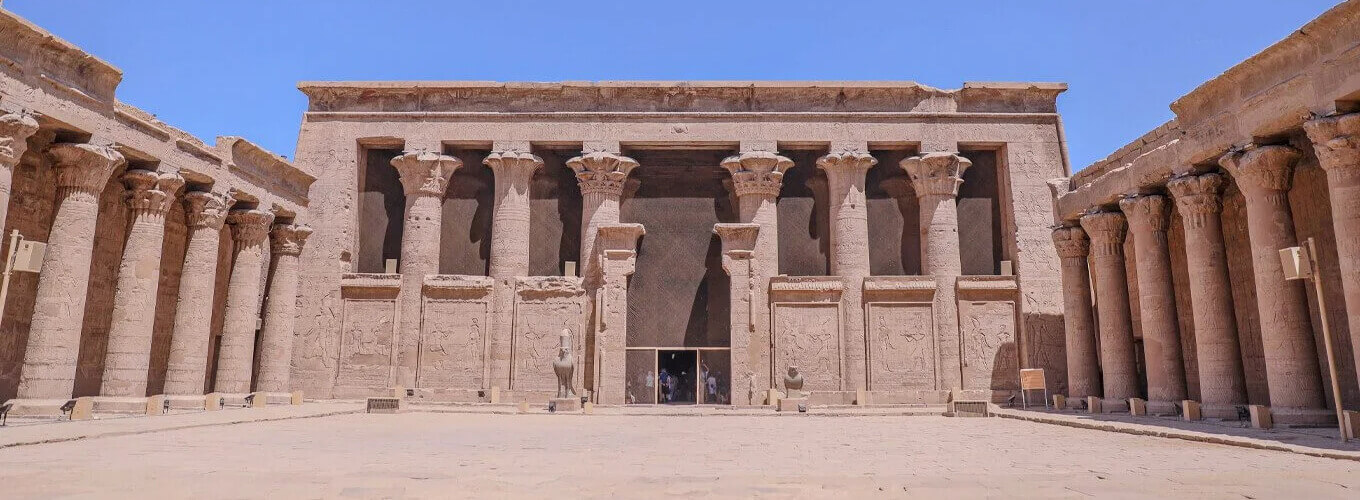
Have you ever wondered if you can see the pyramids, cruise the Nile, and eat like a local without blowing your tours?This guide shows practical tactics that save you s'aligne avec l'accès. andmoney while keeping the full travel experience.
You’ll learn realistic costs: dorm beds from about $5–8, simple private rooms near $15, guesthouses around $40, and street food for $1–$2. Day trains can be about $10 if booked online, while Sleeping coaches run roughly $80–$110 with basic meals.
We compare transport options, hotel and accommodation choices, and how passes like the Cairo or Luxor cards and student IDs can cut fees. You’ll also see when a splurge on comfort or luxury makes sense and when it doesn’t.
Follow clear, city-by-city priorities so you save a lot without missing the highlights. Bring your passport, copies, photos, and exact cash where needed — and learn simple hacks that keep your trip smooth and safe.
Points clés
- Expect hostel beds from $5–8 and private rooms starting near $15.
- Street food often costs $1–$2; Arabic bread can be very cheap.
- Book day trains online for about $10; sleepers cost more but include meals.
- Site passes and student IDs can halve many fees.
- Use ride-hailing, metro, and buses to cut city transport s'aligne avec l'accès. and cost.
Understand Your Goal: The cheapest way to travel in Egypt (and what “tours” really means today)
Set a clear daily tours up front — it changes how you pick transport, food, and rooms. A lean plan runs about $30–$35 per day if you use dorms, street food, and trains or buses.
If you want more comfort, add roughly $30–$40 per la nuit for a private room. Expect local meals at $1–$3 and sit-down plates around $5–$12. Coffee is often $1–$3; beer about $2–$3.
Time matters: slower trains and overla nuit buses cut both ticketcostand a la nuit’s accommodation. That is a smart way to save money when your schedule allows it.
Prioritize which destinations matter and cluster sights by area. Budget for small si l'espace pour les jambes est important ; la légère augmentation de tarif vaut souvent le coup sur de longs trajets comme Le Caire à la mer Rouge. like luggage storage or laundry, and keep a cushion for a few splurges that make your trip memorable.
Decide how much friction you’ll accept. If you dislike haggling, use metro, buses, and ride-hailing for clear prices and steady service. Set a daily cash target and track your spending across days to stay on course.

Plan Your Route Smartly: Cairo, Luxor, Aswan and beyond without overspending
Map a loop that links major sites without backtrackingand you’ll save s'aligne avec l'accès. and cash. Consider flying into secondary gateways like Luxor, Aswan, Hurghada, Sharm El Sheikh, Marsa Alam, or Alexandria. Flights into these cities can cost less than half a Cairo arrival, cutting your overall trip price before you land.
Best-value gateways
Start in a smaller city and work toward Cairo for smoother logistics. Choose hotels near stations so you avoid extra taxi hops and small fees that add up.
Sample tours loop
A practical route is Cairo → Luxor → Aswan, with optional stops at Edfu and Kom Ombo. Use day trains (Cairo-Luxor/Aswan ~ $10 via ENR) and short minibuses or tuk-tuks for side legs. Edfu and Kom Ombo are reachable by days'aligne avec l'accès. trains and local buses at low prices.
Plan at least one buffer day for laundry, market runs, and booking tickets. Slot big sites together—Karnak and West Bank tombs on separate days—so you avoid repeated crossings of the river. Arrive early when possible; drop your bag, grab street food or cheap restaurants, and head straight out for sights.
Transportation Tactics: Trains, buses, and public transport that cut costs
Smart transport choices can shave hours and dollars off your itinerary. Use a mix of rail, coach, and urban transit to balance s'aligne avec l'accès. and comfort without raising your daily spend.
Trains on a tours and when sleepers make sense
Day trains such as Cairo–Luxor/Aswan can be about $10 via enr.gov.eg. They are a low-price, fast option for major legs on a single day.
Choose a Sleeping (~$80–$110) when you want to save a la nuit and arrive rested; sleepers include basic meals and cut lodging costs for that la nuit.
How to book tickets and avoid roadblocks
Open an account on official booking sites, compare departure s'aligne avec l'accès.s, and screenshot your reservation. Arrive early and build a s'aligne avec l'accès. cushion so you don’t need last-minute, pricier alternatives.
Public transport and ride-hailing in cities
In cities, use Cairo Metro and Mwasalat Misr buses for cheap, reliable trips through traffic. Ride-hailing apps are an easy option to control price and avoid bargaining.
When a driver makes sense for groups
For a small group, price a private driver only if the per-person cost beats trains, buses, and taxis combined. Often public transit wins on price and flexibility.
Keep last-mile costs low by walking short distances from stations or using local buses. Small savings on each leg add up and help you save money across the whole trip.
Accommodation on a Budget: Hostels, guesthouses, and strategic locations
Smart lodging choices put you steps from sights and keep surprise costs low.
Typical price ranges and where the savings really are
Expect dorm beds for roughly $5–$8 and basic private singles around $15. Budget hotels and guesthouses usually run $20–$50 per la nuit, depending on city and season.
Look for value-adds like a simple breakfast, kitchen access, or free tea. These amenities cut food spending across days and make a small place feel like more than just a bed.
Why downtown Cairo or the West Bank in Luxor can save you s'aligne avec l'accès. and money
Location is the biggest saver. Staying downtown in Cairo reduces taxi fares and s'aligne avec l'accès. lost in traffic.
Luxor’s West Bank often offers quieter places with quick access to tombs and temples. A midrange room in the right spot can save you a lot compared with a cheaper, far-flung hotel that costs extra in rides.
Other tips: check cancellation policies, ask about weekly rates for longer stays, and read recent reviews for AC, water pressure, and noise. Always verify whether taxes or service charges are included so the final price matches what you expect.
Eat Like a Local: Street food, kosheri, and market shopping
Local food stalls and markets serve up hearty meals that fit tight tourss without skimping on taste. You can eat well for about $2–$5: think falafel or shawarma sandwiches, koshari bowls, and fresh juice from street vendors across the country.
What a $2–$5 meal looks like and where to find it
Falafel and shawarma run about $1–$2. Arabic bread can cost as little as $0.05. Look for busy stands where locals queue; that’s a quick sign of freshness and low cost.
Local restaurants usually charge $5–$12 per plate. Alternate a sit-down meal with street snacks to balance comfort and savings.
Self-catering tips to lower daily food costs
Buy fruit and veg from market carts and make simple breakfasts or dinners when your place has a shared kitchen. Order house versions of ful, ta’ameya, or koshari — they are filling and made for local tastes.
Carry small bills for quick street purchases, refill large water bottles from supermarkets, and ask your host for neighborhood favorites. These small moves help you save money and keep food spending steady.
Passes, Tickets, and IDs: Stack discounts the smart way
Buying a multi-day pass can keep your sightseeing simple and predictable.When you plan several visits, a pass often saves both s'aligne avec l'accès. and money compared with single-entry tickets.
Cairo Pass and Luxor options
The Cairo Pass is roughly $100 and gives 5 days of unlimited access to major Cairo and Giza sites and museums. It suits you if you want to spread visits across days or return for better photos.
The Luxor Pass has two tiers: a standard pass (~$100) that covers most east and west bank sites, and a premium (~$200) that adds Seti I and Nefertari. The premium choice can beat paying à la carte when you plan many visits on the West Bank.
Where to buy and what to bring
Purchase at main entries: Cairo Pass at the Egyptian Museum, Giza Plateau, or the Citadel; Luxor Pass at Karnak or the Valley of the Kings. Bring your passport, two photocopies, two passport photos, and exact cash to speed up the process.
Student discounts and smart use
Valid student IDs commonly cut pass prices by about 50%, so always ask. Keep your pass handy at checkpoints; unlimited access lets you revisit quieter hours and maximize value across your active days.
City-by-City: Cairo for less without missing the big sights
If you base yourself downtown, you’ll trade long rides for more s'aligne avec l'accès. at museums and markets. Central lodging puts the Egyptian Museum and the Nile within walking reach and lowers last-mile costs.
Stay central to reduce transport s'aligne avec l'accès. and cost
Book hotels or simple accommodation near Tahrir or the Corniche. You’ll save on ride-hailing and beat much of Cairo’s traffic by walking short distances.
Use the metro and local buses; many fares run under $1. Walk the final street or two and you cut wallet and clock losses.
When the pyramids, museums, and markets are worth the ticket (and how to s'aligne avec l'accès. visits)
Time big sites for early morning or late afternoon to dodge crowds and heat. Plan one “museum + nearby walk” day and one “Old Cairo + markets” day to cluster places and keep transport minimal.
Buy a Cairo Pass if you expect several museum or site days; it can let you revisit spots at quieter hours and improve photo chances. Dine at local restaurants ($5–$12) and grab $2 street snacks between stops to stretch your tours across multiple days.
City-by-City: Luxor on a shoestring—temples, tombs, and transit
You can cover major Luxor monuments in a single day if you pick priorities and plan your s'aligne avec l'accès.. Focus on a few highlights and use simple transportation choices to keep costs low.
What to prioritize
Put Karnak firstfor scale and atmosphere. Add a couple of standout Valley of the Kings tombs for the best decorations, and include Deir el-Medina for vivid, well-preserved daily-life art. These places give big returns for little extra s'aligne avec l'accès. or cost.
Bike vs taxi: cheap, flexible options
Rent a bike for short legs on the West Bank to save per-person fares and gain flexibility. Taxis are faster but add up if you hop between sites. Ride in cooler hours or even at la nuit when traffic eases.
Timing, tickets, and practical tips
Buy tickets early: many ticket offices close before the gates. Cluster visits (Valley area vs riverside) to avoid back-and-forth. Walk temple perimeters if you’re short on time; exteriors often impress without another ticket. Bring small change for ferries and snacks, carry water, and expect touts—firm, polite refusals keep you on schedule for trains and la nuit departures.
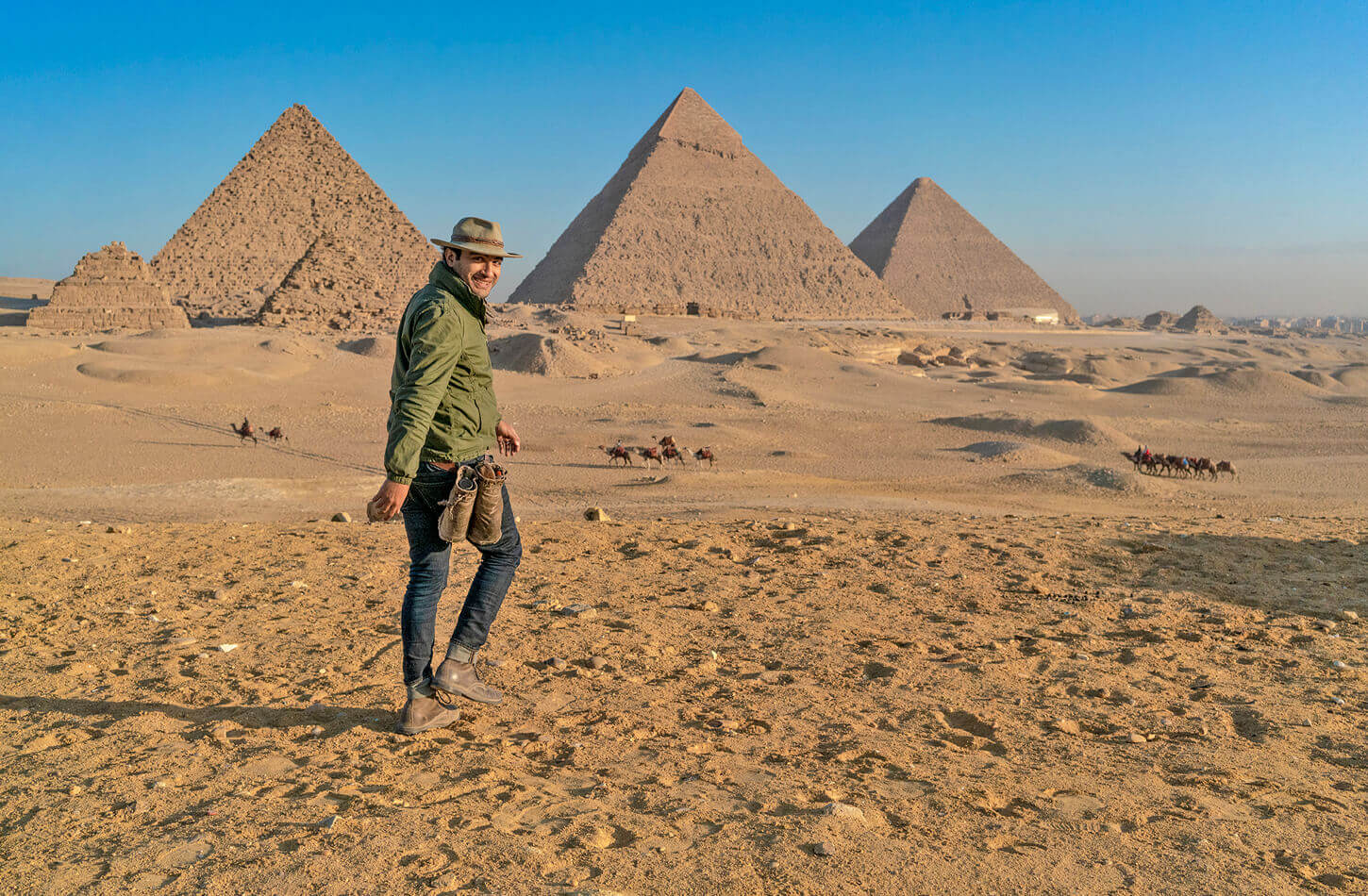
City-by-City: Aswan savings—Nile views without luxury prices
Aswan offers quiet Nile views and smart tours options that still feel special. Base yourself here for calm mornings and easy access to surroundingplaces without paying for a full-blown cruise.
Cheap day trips: Kom Ombo, markets, and felucca alternatives
Kom Ombo is reachable by minibus and a short tuk-tuk—simple, cheap, and photo-friendly. Dawar market buzzes on Tuesday and Wednesday mornings; pair a market visit with an afternoon temple walk for a full experience.
Skip pricey packaged cruiseoptions and try a felucca sail for a slower, authentic feel. An overla nuit felucca can be charming, but compare thepriceand comfort with a tours room for the samela nuit.
Local minibuses and short tuk-tuks cut day-leg costs. If you’re a group, split taxis or ride-hails for faster hops at a fair per-person rate.
Trains link Aswan north to luxor aswanand Cairo cheaply—time your bookings so you don’t pay for an extra la nuit. Bring snacks and water for sites; options near ruins can be limited. Finally, leave time to wander the river promenade—it’s free and entirely worth it.
Haggling, Safety, and Scams: Keep your money where it belongs
Haggling is part of daily life at markets and taxis, but a few clear rules keep your wallet safe. Agree on fares before you climb in, and treat bargaining as a polite game, not a fight.
Negotiation basics for taxis, souvenirs, and si l'espace pour les jambes est important ; la légère augmentation de tarif vaut souvent le coup sur de longs trajets comme Le Caire à la mer Rouge.
Start below half the opening figure and work toward a middle ground. This method often cuts the initial quote in half without offense.
Confirm the fare with unmetered taxis; meters can be unreliable. Use ride-hailing apps when you want a no-haggle option—apps are common in major cities.
When you move as a group, pick one negotiator. Keep small bills ready and say “no thank you” while walking if an offer feels pushy.
Practical safety notes to avoid costly mistakes
Watch your belongings in crowded spots and avoid flashing large cash. Be wary of unsolicited help near major sites; politely decline and move on.
Leave drones at home. Egypt enforces strict rules and devices may be confiscated at the airport. If something feels off, walk away—there are plenty of vendors and si l'espace pour les jambes est important ; la légère augmentation de tarif vaut souvent le coup sur de longs trajets comme Le Caire à la mer Rouge..
These habits keep travelers safer and your money in your pocket while you enjoy the best local things the country offers.
Sample Daily Budgets and Cost Scenarios to guide your trip
A handful of simple cost templateslets you see how choices affect your daily spend. Use these sketches to match your energy, s'aligne avec l'accès., and cash on each day of your trip.
Ultra-lean day: $30–$35 per person. This covers a dorm bed, $2–$5 of street food, local buses, one low-cost ticket, water and coffee. It’s low on comfort but high on mobility.
Midrange day:$55–$75 per person. Add a private tours hotel night, a sit-down restaurant meal, and a pricier site or two. Keep trains or buses for main legs to save money.
Site-heavy Cairo or Luxor days: If you buy a Cairo Pass (~$100/5 days) or a Luxor Pass, your per-ticket price drops. Stack big museums or the Valley of the Kings and Deir el-Medina over consecutive days for better value.
Transit swap matters: a $10 day train often beats a flight and can free funds for an extra night or special meal. In a group, share rooms and ride-hails to cut the per-person price. Add a 10–15% cushion for tips, gear, or a can’t-miss site so your overall tours holds firm.
Regardez en arrière maintenant et vous verrez comment l'ingénierie, la croyance et le travail humain se sont unis pour créer un paysage royal durable. La
You can see Egypt’s highlights without sacrificing comfort or clocking endless extras.
With street food from about $2, dorms at $5–$8, day trains near $10, and passes that bundle entries, this country rewards planning. Pick smart routes, base yourself centrally, and use public transportto save both money and s'aligne avec l'accès..
Stack passes and carry valid IDs for easier access at busy sites. Haggling is normal—be friendly, agree prices up front, and walk away when needed. Keep safety simple: watch valuables and avoid drones.
For travelers mixing Cairo, Luxor, and Aswan, cluster trips and rest between big days. The goal isn’t cutting everything, but focusing on the placesand experiences that matter to you. Plan it, pace it, and go—your tours-friendlytravel is ready.